

Every day a vessel waits at berth, or a container sits in the yard, someone is paying for it — the carrier, the importer, or both. Terminal performance KPIs measure that cost. If you work in shipping, freight forwarding, or supply chain and cannot name six of them, you are reading delays and costs without the tools to fix them. This post changes that.
What You’ll Learn
- Terminal performance KPIs measure how well a port handles vessels, cargo, and trucks — and they affect your freight cost and delivery timelines.
- The six KPIs that matter most: berth productivity, vessel turnaround time, container dwell time, truck turnaround time, yard utilization, and gate throughput.
- Leading terminals target 35–40 crane moves per hour and truck turnaround under 45 minutes.
- An import dwell time under 5 days is the global benchmark. Many South Asian ports still exceed 7–10 days.
- Poor KPI performance means higher demurrage, detention, and landed cost — and those costs land on the importer.
- Chattogram Port handled 3.41 million TEUs in 2025 and recorded zero vessel waiting on multiple days in Q4. That was the result of KPI-driven planning.
What Are Terminal Performance KPIs?
Terminal performance KPIs are measurable metrics. They track how well a port handles vessels, cargo, and trucks — from the moment a ship arrives at anchorage to the moment the last truck exits the gate.
Terminals group KPIs into four clusters: operational performance, customer service and cost, resilience and risk, and ESG and digitalization. Each cluster answers a different question about how the terminal is running. Together, they give operators, carriers, and cargo owners a shared language for finding where time and money are being lost.
The Six KPIs That Actually Move the Needle
Dozens of terminal KPIs exist. But six drive most of the outcomes that matter to carriers, operators, and cargo owners.
Berth Productivity (Crane Moves Per Hour — CMPH)
This is the net crane moves divided by productive ship hours — from berthing to sailing. Top terminals sustain 35–40 moves per hour. Below 20 is a red flag. One important distinction: Gross Crane Rate includes idle time. Net Crane Rate does not. Always confirm which figure you are comparing.
Vessel Turnaround Time
This is the total time from a vessel’s arrival at port to its departure. It covers both waiting-for-berth time and at-berth time. Every extra hour adds fuel cost, charter-hire expense, and schedule risk for the carrier. That cost eventually shows up in freight rates.
Container Dwell Time
This is the average number of days a container sits in the yard. The global import benchmark is under four to five days. Above seven days usually points to a customs, trucking, or planning problem. For importers, rising dwell time is the first sign that a demurrage or storage bill is on the way.
Truck Turnaround Time (TTT)
This is measured from gate-in to gate-out. Competitive terminals target an average of 30–45 minutes. Most published figures combine queue waiting time and gate transaction time. These are two different problems with two different fixes.
Yard Utilization
This is occupied slots divided by total slots, shown as a percentage. Once occupancy crosses 75–80%, rehandles rise and productivity drops. High yard utilization is not a good sign. It is often a congestion warning.
Gate Throughput and E-Gate Success Rate
This is the total number of trucks processed per gate lane per day, paired with the e-gate penetration rate. Together, these show how far a terminal has moved away from paper-based processing — and how that affects congestion at the gate.
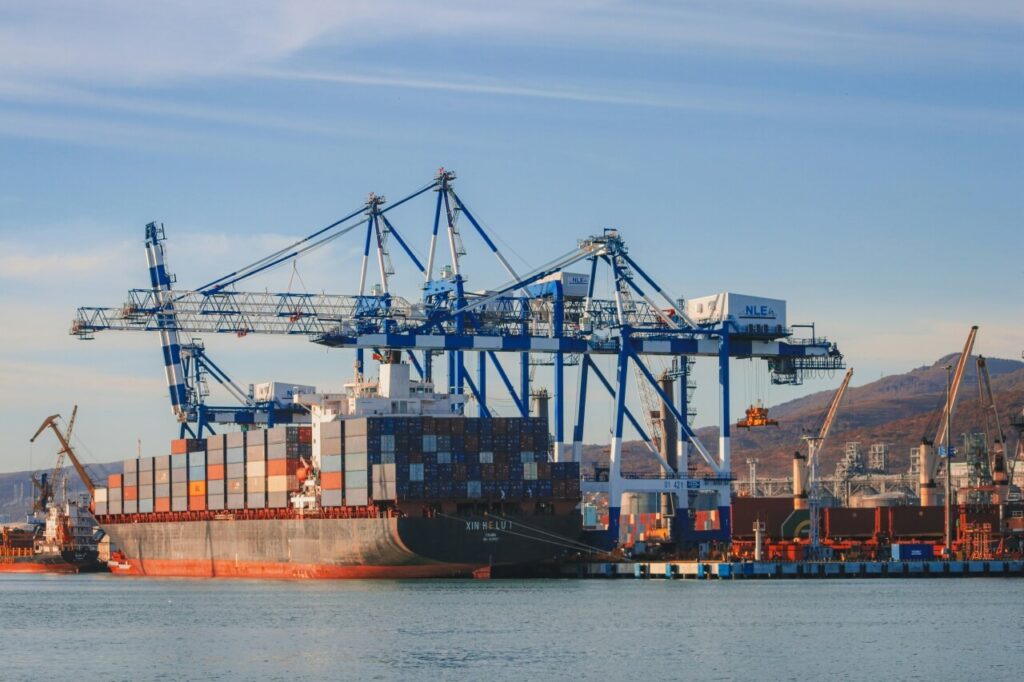
Maersk Moment
When I coordinate vessel operations at Chittagong, I see how all major KPIs connect. At seasonal peaks and long holiday periods, cargo delivery slows, and yard congestion builds fast.
During the early 2025 labor strike, yard utilization crossed 80%. Truck turnaround time climbed. Vessel port stay grew longer. CMPH dropped from 30 to 5 moves per hour. New vessels bunched at the outer anchorage. Waiting time spiked.
Port Authority launched a recovery program to release cargo, restore vessel efficiency, and cut vessel turnaround time. At Maersk, we adjusted all incoming vessel schedules and updated stakeholders to manage expectations. One KPI breaking down triggered problems across every other metric on the board.
Terminal Performance KPIs in the Bangladesh and South Asia Context
Chattogram Port handles 92% of Bangladesh’s seaborne general cargo and 98% of its containerized trade. Its KPI performance is not just a port issue — it is a national trade issue.
In 2025, the port handled 3.41 million TEUs, 138.15 million metric tonnes, and 4,273 vessel calls. In Q4 2025, it recorded zero vessel waiting on up to 26 days across November and December. That was the result of disciplined berth scheduling and KPI-driven planning.
The Laldia Container Terminal concession with APM Terminals goes further. Berth productivity, dwell time, and emissions-per-TEU targets are written into the 30-year agreement. KPI governance in Bangladesh is now contractually binding — not aspirational. The e-gate system issued over 6,000 passes in a single day in December 2025. Bangladesh is not catching up. It is building KPI-driven infrastructure by design.
Why These KPIs Matter to You — Even If You’re Not Running a Terminal
You do not need to run a terminal for these numbers to affect your business. Dwell time drives your demurrage and detention bills. Berth productivity determines whether your vessel arrives on schedule. Truck turnaround shapes your inland delivery window.
Consider this scenario. An importer notices dwell time at their destination terminal climbing from three days to seven. They pre-clear customs documents and arrange trucking earlier. The containers exit before free time expires. The demurrage bill disappears.
Choosing a port with better KPI performance over a cheaper but slower one can also lower your total landed cost — even when the terminal handling charge is higher. The FAQs below cover the most common questions this raises.
Frequently Asked Questions
What is the most important terminal KPI for vessel operators?
Berth productivity — measured in crane moves per hour (CMPH) — determines how long a vessel stays at berth. It affects the carrier’s fuel cost, charter-hire exposure, and schedule reliability across the full service rotation.
How does container dwell time affect demurrage charges?
Once a container exceeds the carrier’s free time at the terminal, demurrage charges start. At major ports, this is typically $50–150 per container per day. Tracking dwell time gives you a warning before those charges hit.
What is a good truck turnaround time benchmark?
Competitive terminals target an average of 30–45 minutes. If turnaround consistently exceeds 60 minutes, it signals gate congestion, yard planning problems, or both.
How does yard utilization affect port efficiency?
Once occupancy crosses 75–80%, rehandles rise, and crane productivity drops. High yard utilization is a congestion warning — not a sign of strong performance.
Key Takeaways — Closing Summary
- Six KPIs define terminal performance: berth productivity, vessel turnaround time, container dwell time, truck turnaround time, yard utilization, and gate throughput.
- Global benchmarks: 35–40 crane moves per hour, import dwell under 5 days, truck turnaround under 45 minutes.
- Chattogram’s Q4 2025 zero-waiting days show Bangladesh is building toward these standards — by design.
- For importers and forwarders, terminal performance KPIs are not internal port data. They are your freight cost, your delivery date, and your demurrage bill.
Conclusion
The next time your cargo is delayed or your vessel misses a window, do not accept a vague answer. Ask your agent for the dwell time trend and berth productivity figures. Those two numbers will show you where the problem sits — inside the terminal or outside it — and give you something to act on.
Terminal performance KPIs are not specialist knowledge for port planners. They are the working language of container shipping. Every professional in this industry is better positioned knowing them.